Golden hour · Rural roads · Margin
Come back while there is still light
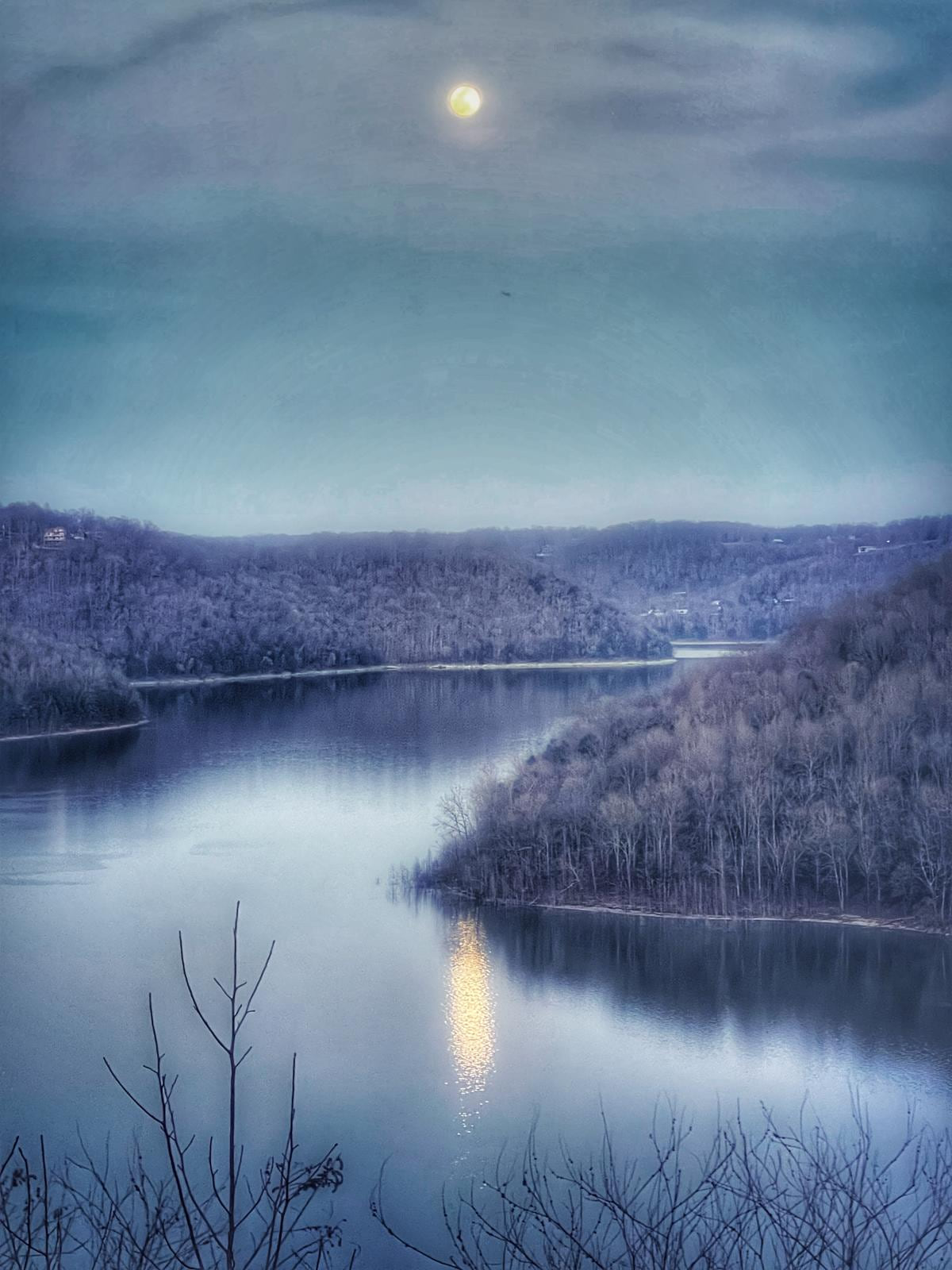
Do not give the place you are staying only the exhausted remainder of the day. Leave the final waterfall, town or marina early enough to see the woods and water change. Golden hour is not dead time between activities; it is the transition that makes a lake evening feel distinct.
Night driving here deserves respect. Roads curve, shoulders narrow, deer move and navigation can suggest shortcuts that are poor choices after dark. If you are unfamiliar with the route, daylight is useful safety equipment. Save the address offline and stay on the route you know.
Local table · Takeout · Grill
Decide dinner before hunger decides it
Choose the kind of evening first: a destination meal, a seasonal marina table, takeout or a quiet dinner where you are staying. Check current hours before leaving; rural and seasonal kitchens can close earlier than visitors expect, and a cross-lake dinner can mean much more driving than the map suggests.
Use the dining guide, make one decision and stop negotiating. If you plan to grill, buy groceries and fuel before the final rural roads. A simple meal eaten before everyone crashes beats a perfect plan begun too late.
Sound · Shoreline · Stars
Notice the lake’s night shift
Boat traffic fades, insects and frogs become audible, and the shoreline loses visual detail. Sit still long enough for your hearing to take over. A short, familiar path to a safe overlook can be rewarding; an improvised scramble down a dark bank is not.
Carry a flashlight, but use it deliberately. Red or low light preserves more night vision; a bright beam is appropriate when footing or safety requires it. Remain clear of launch lanes and trailer traffic. Puckett Point is a public ramp, not a designated swimming beach—especially not after dark.
Navigation lights · Lookout · PFDs
Treat boating after dark as a different activity
Darkness removes shoreline reference points, hides debris and makes distance harder to judge. Slow down, post a capable lookout, know the route home and have working navigation lights and required safety equipment. Everyone should have an appropriate life jacket immediately available; children and some activities have additional wear requirements.
Paddlecraft need the lighting required for their situation, not a phone flashlight buried in a bag. Keep reliable communication dry and charged. Alcohol compounds every night-navigation problem. If you do not already know the cove, the better plan is often to finish boating before dusk and fish or watch from a safe shore.
Check current rules with the Tennessee Wildlife Resources Agency; this guide is planning advice, not a substitute for boating law or local conditions.
Fire · Soak · Movie · Game
Choose one good indoor-or-outdoor ritual
A fire, a soak, a movie or a table game can each carry the evening. Trying to stage all four turns rest into production. If the property has a hot tub, keep phones away from the water, supervise children and follow posted rules. Heat, alcohol and dehydration are a poor combination.
For a fire, use only the property’s approved setup. Check wind, burn restrictions and house rules; keep water nearby; never leave it unattended; extinguish it completely. A movie night needs no apology after a full outdoor day. The point is shared attention, not proving that every minute was adventurous.
Dark adaptation · Moon · Weather
Give the sky time to appear
Turn off unnecessary exterior lights only when doing so is safe, put the bright screens away and wait twenty minutes. Stars emerge gradually. Moonlight, cloud, humidity and nearby lighting all affect the view, so do not promise yourself a planetarium.
Use Tony’s night-sky guide to understand seasons and timing. Binoculars can be more satisfying than an unfamiliar telescope. Look first; identify later.
Conversation · Quiet · Recovery
Close the day before planning tomorrow
The boats go home, the woods quiet and the day stops asking for performance. Sit outside, name one thing each person noticed, or say nothing. Tomorrow’s route can wait ten minutes.
Before bed, secure food and trash, bring loose gear inside, charge the emergency phone and check only the weather or alert information that affects morning safety. Then end the search. After dark, the best feature of the lake may be that it finally asks less of you.