Frontier worship · Circuit riders · Settlement
Begin before the surviving buildings
Early worship often happened in homes, outdoors or in multipurpose log structures. Baptist congregations organized locally; Methodist circuit riders connected scattered communities; Cumberland Presbyterian expansion reflected the religious energy of the early nineteenth-century frontier. A congregation’s founding can therefore be decades older than its present sanctuary.
Churches did more than hold services. They were meeting places, schools, aid networks, music rooms and burial grounds. Roads and settlements grew around them, then changed again when modern highways and Center Hill Reservoir rearranged movement through the region.
Log · Vernacular · Greek Revival · Gothic
Learn four architectural languages
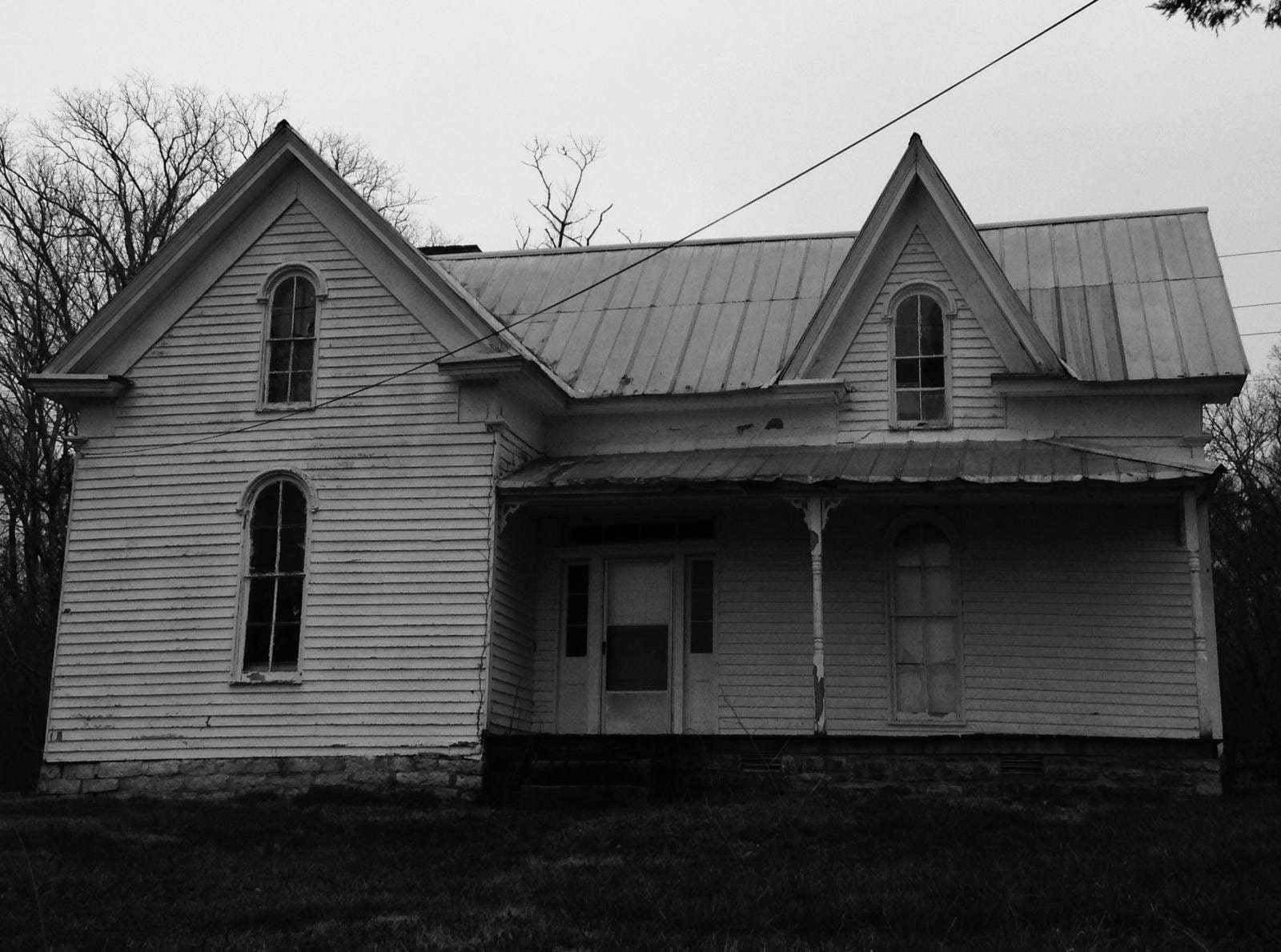
Log and plain vernacular buildings emphasize available material, local labor and direct function. Greek Revival influence appears in symmetry, classical proportions and sometimes columns or a temple-like front. Gothic Revival favors pointed arches and vertical emphasis; Carpenter Gothic translates those ideas into wood with sawn trim and skilled local carpentry.
Real buildings mix styles and accumulate alterations. Look at foundation changes, window proportions, siding, additions, entrances and the relationship to the cemetery. Do not assign a date or style by appearance alone; verify it with congregation records, historic surveys or county histories.
1809 congregation · Rebuilding · Cemetery
Salem Baptist preserves Liberty’s long chronology
Salem Baptist Church in Liberty is a useful lesson in separating congregation from structure. Local histories date the congregation to 1809, describe an early log meetinghouse and a later frame building, and place the present sanctuary in the late nineteenth century. Each rebuilding marks continuity rather than replacement of the community story.
The cemetery expands that record across generations. Read names and dates from public paths without rubbing stones, moving objects or entering during a burial. Historic designation can protect a documented district, but it does not turn worship space or cemetery ground into unrestricted visitor property.
Alexandria · Black Methodism · Education
Read Seay Chapel with evidence and humility
Seay Chapel in the Alexandria area represents the central role Black congregations played after emancipation: worship, education, leadership and mutual support under conditions shaped by segregation. Its modest frame form should not be mistaken for a modest historical role.
W. E. B. Du Bois taught near Alexandria as a young man and later wrote about Black religious and community life. Local interpretation has associated that regional experience with particular congregations, including Seay Chapel, but a direct institutional connection should be stated only when supported by a specific surviving record. Tony’s Du Bois guide separates what is documented from what remains interpretation.
1844 congregation · Brick church · Civic center
First Methodist records Smithville’s town growth
Local church histories place the organization of Smithville’s First Methodist congregation in 1844 and its first brick church in 1848. The chronology reflects a county seat developing stable institutions around the courthouse square.
A town church and a rural chapel answered different geographic needs, but both organized community. When visiting Smithville, read the church in relation to the square, street grid and other civic buildings rather than as an isolated façade.
1818 · 1880 · Rural networks
New Hope and Cooper’s Chapel widen the map
Local accounts date New Hope Baptist Church to 1818, placing its congregation in the early settlement period. Cooper’s Chapel, organized later in the nineteenth century, belongs to a network of rural congregations whose histories often connect through earlier meeting places, family migrations and shared ministers.
Those links should be researched, not guessed. Repeated surnames in cemeteries can suggest kinship but do not prove it; similar architecture can reflect a common building practice without proving the same builder. Good local history distinguishes a clue from a conclusion.
Freedom · Schooling · Leadership
Put Black churches at the center, not in a sidebar
After emancipation, Black Tennesseans built and sustained churches that supported education, public leadership, music and collective survival. West End Church of Christ at Silver Point belongs in that larger account through the documented regional story of church, schooling and the Silver Point Christian Institute.
Continue with the African American heritage route, Free Hills and the Rosenwald school story, and the land before the reservoir. These institutions are not supplemental history; they are part of how the region was made.
Permission · Services · Cemeteries
Visit as a guest
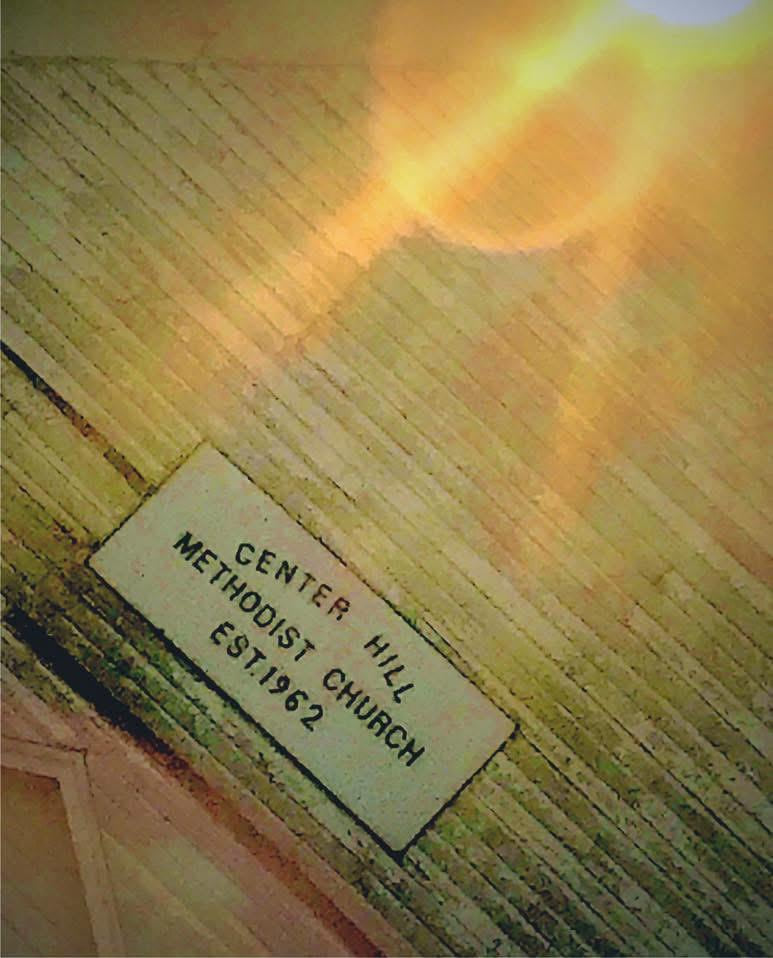
Use public roads and designated parking. Do not enter a building, side room, cemetery work area or private ground without permission. Never photograph worshippers, children or a funeral casually. If you hope to attend a service, confirm the current schedule with the congregation and follow its customs.
Keep a history drive small: one or two churches paired with a courthouse square, school site or documented community. Call ahead when interior access or mobility accommodations matter. The goal is to understand relationships among faith, roads, race, education and settlement—not to collect façades.
Records · Surveys · Oral history
Verify the story as carefully as the date
Church histories live in congregational minutes, denominational archives, deeds, cemetery records, historic-resource surveys, newspapers and oral testimony. Each source answers different questions. A church anniversary booklet may preserve names unavailable elsewhere; a deed may settle location but say little about lived experience.
Treat oral history with respect and attribution, and distinguish it from an archival claim. A responsible guide can hold both: what records establish, what community memory preserves and what still needs research.